Accommodation
SOAR provides overnight lodging at its North Carolina basecamp, where campers live in small, supervised peer groups. Housing is rustic and adventure-oriented, reflecting the program's nature. Sleeping arrangements are designed to encourage teamwork, independence, and community living. Campers are grouped by age, maturity, and compatibility, ensuring a supportive atmosphere where participants feel comfortable and included.
The lodging and layout emphasize structure and routine — essential for many campers with ADHD or learning differences. Campers must be independent with basic hygiene and toileting, as staff supervision is supportive but not clinical. The environment promotes responsibility, personal organization, and collaborative living, helping campers build practical life skills they can take home.
Meals
SOAR provides all meals for overnight campers, offering balanced, hearty food suited for full days of physical activity. Meals are served in a communal setting that reinforces social skills, group interaction, and responsibility, with campers often helping with cleanup or basic meal-related tasks.
The camp accommodates dietary restrictions and allergies when information is provided in advance. Because some campers may have sensory or texture sensitivities, SOAR encourages families to share all relevant food-related needs before arrival. The focus is on fueling active days while maintaining a relaxed, supportive mealtime environment that reinforces positive social connections.
Safety
Safety is a core priority at SOAR. The camp meets rigorous national standards for supervision, emergency preparedness, and activity management. Staff members are trained in working with youth who have ADHD and learning differences, including understanding impulsive behaviors, managing transitions, and promoting safe decision-making during high-energy activities.
Group sizes are intentionally small to ensure personalized guidance, intense supervision, and stronger community bonding. Safety protocols are integrated into every activity — from climbing to rafting to extended wilderness travel. Before enrollment, the camp reviews each camper’s medical history and behavioral needs to ensure that the program is appropriate and safe for them.
Health & Medicine
SOAR requires detailed medical and health history from all campers to ensure that staff can provide appropriate support. The camp offers basic medical supervision, first aid, and health monitoring but is not a therapeutic or clinical environment. It is intended for high-functioning campers who can manage daily routines independently.
Families of campers with significant medical conditions — such as insulin-dependent diabetes, seizure disorders, or conditions requiring frequent one-on-one care — may be advised that the program is not medically equipped for those needs. Campers must be independent with toileting and basic hygiene. Medication management is overseen by trained staff, based on information provided by families.
Camp Traditions
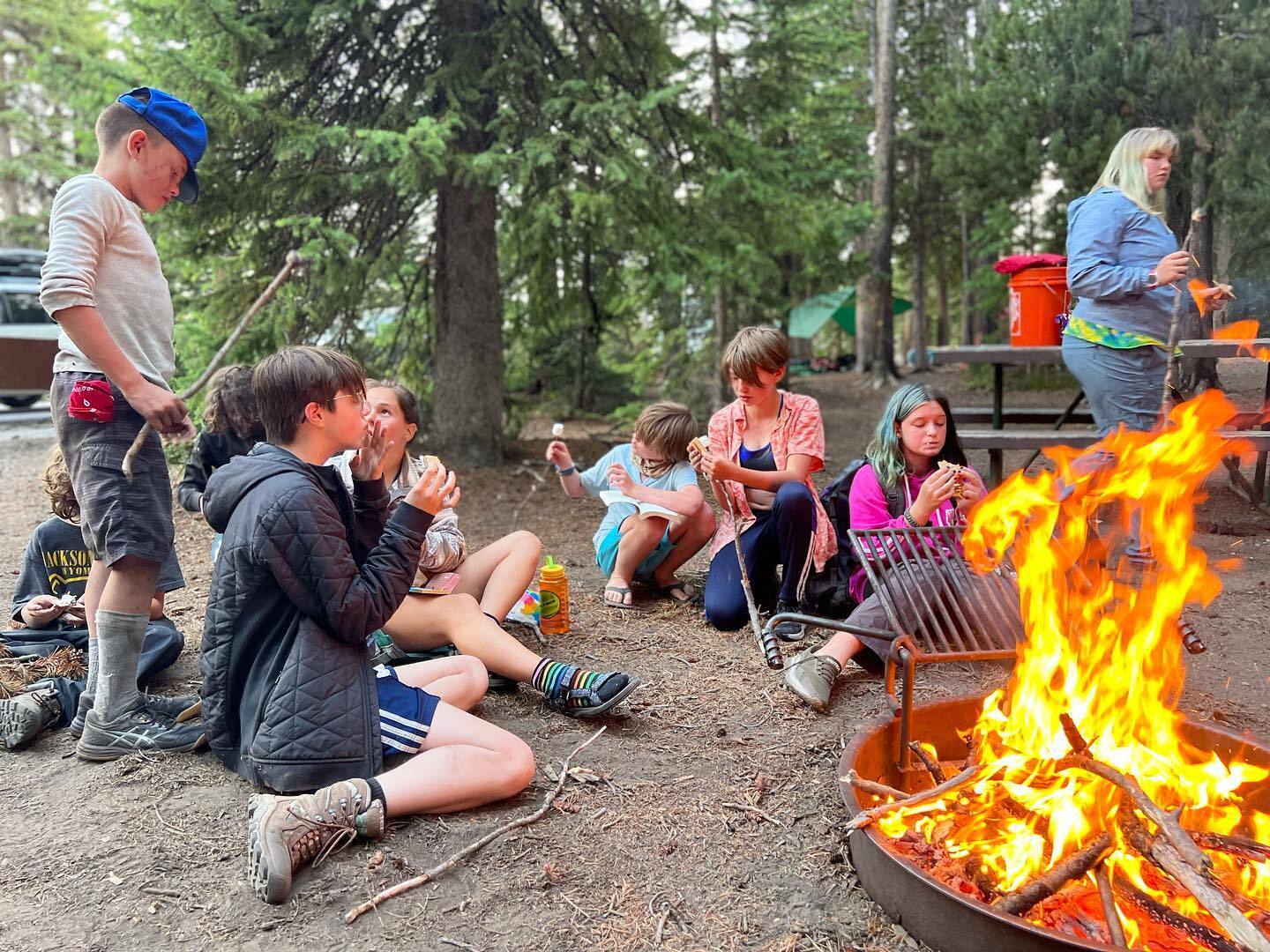
SOAR traditions center on community, adventure, and celebrating each camper's strengths. Each group develops its own identity and rituals, from campfire reflections to group challenges and shared achievements. Because many campers share similar learning profiles or social difficulties, SOAR fosters a rare sense of belonging and mutual understanding.
Activities like ropes-course challenges, multi-day wilderness treks, and evening reflection circles help campers build confidence and connection. Many traditions emphasize teamwork, resilience, and recognizing personal progress — making campers feel proud of themselves and excited to return the following year. The camp culture encourages kids to celebrate who they are rather than trying to fit into traditional expectations.